Saturday, August 1, 2020

Cool How To Find Equivalent College Courses 2023

How To Find Equivalent College Courses pdxdigitaldesign
How To Find Equivalent College Courses pdxdigitaldesign from pdxdigitaldesign.blogspot.com

Are you a student who wants to transfer to a different college or university? Or maybe you're a working professional looking to further your education? Regardless of your situation, finding equivalent college courses can be a daunting task. But don't worry, this article will guide you through the process and help you find the equivalent courses you need.

When it comes to finding equivalent college courses, there are several pain points that students often face. One common issue is that different colleges and universities have different course numbering systems and course titles. This can make it difficult to determine if a course at one institution is equivalent to a course at another institution. Additionally, some colleges may have specific requirements or prerequisites for certain courses, which can further complicate the process.

If you're wondering how to find equivalent college courses, the first step is to research the requirements of the college or university you plan to transfer to. Look for information on their website or contact their admissions or transfer office. They should be able to provide you with a list of equivalent courses or guide you on how to determine if a course is equivalent.

In summary, finding equivalent college courses can be challenging due to different course numbering systems, titles, and requirements. However, by researching the requirements of your desired college or university and reaching out to their admissions or transfer office, you can find the information you need to make an informed decision.

How to Find Equivalent College Courses: A Personal Experience

When I was considering transferring to a different college, I faced the challenge of finding equivalent courses. I had taken several general education courses at my current institution and wanted to make sure they would transfer and fulfill the requirements at the new college. I started by visiting the website of the college I wanted to transfer to and found a transfer equivalency tool. This tool allowed me to search for specific courses at my current college and see if they had equivalent courses at the new college. I also reached out to the admissions office and they provided me with additional information and guidance. With their help, I was able to determine which courses were equivalent and plan my transfer accordingly.

When it comes to finding equivalent college courses, it's important to start with the requirements of the college or university you plan to transfer to. Look for a transfer equivalency tool on their website or contact their admissions office for guidance. They will be able to provide you with the information you need to make an informed decision.

How to Find Equivalent College Courses: Explained

Finding equivalent college courses is the process of determining if a course taken at one college or university is equivalent to a course offered at another college or university. This is important for students who are transferring to a different institution or for professionals who are looking to further their education. Equivalent courses ensure that the credits earned at one institution can be transferred to another and count towards degree requirements.

When it comes to finding equivalent college courses, there are several factors to consider. First, you need to understand the course numbering system and course titles used by different institutions. Some colleges and universities use a different numbering system, which can make it challenging to determine if a course is equivalent. Additionally, course titles can vary between institutions, even if the content is similar. It's important to compare the course descriptions and learning outcomes to determine if the courses are equivalent.

Another factor to consider is the requirements and prerequisites for specific courses. Some colleges may have specific requirements that need to be met before taking a certain course. It's important to review the course requirements and prerequisites at both the current and desired institutions to ensure that the courses are equivalent.

Overall, finding equivalent college courses requires research and understanding of the course numbering system, course titles, and requirements of different institutions. By comparing course descriptions, learning outcomes, and prerequisites, you can determine if a course is equivalent and plan your transfer or education accordingly.

How to Find Equivalent College Courses: The History and Myth

The history of finding equivalent college courses dates back to the early days of higher education. In the past, transferring credits between colleges and universities was a complex and time-consuming process. Each institution had its own requirements and criteria for accepting transfer credits, making it difficult for students to continue their education at a different institution.

Over time, colleges and universities recognized the need for a standardized system to evaluate and transfer credits. This led to the development of transfer equivalency tools and databases that allow students to easily determine if their courses are equivalent. These tools use a variety of criteria, such as course content, learning outcomes, and credit hours, to determine if a course is equivalent.

Despite the progress made in simplifying the process of finding equivalent college courses, there are still myths and misconceptions surrounding the topic. One common myth is that all courses are transferable and will count towards degree requirements. In reality, each institution has its own transfer policies and may not accept all transfer credits. It's important to research the transfer policies of the institution you plan to transfer to and understand their requirements.

In conclusion, the history of finding equivalent college courses has evolved to make the process easier for students. However, it's important to dispel myths and misconceptions and understand the transfer policies of different institutions.

How to Find Equivalent College Courses: The Hidden Secret

The hidden secret to finding equivalent college courses lies in the power of communication. While researching the requirements and transfer policies of your desired institution is important, it's equally important to reach out to the admissions or transfer office for guidance. These professionals have the knowledge and expertise to help you navigate the transfer process and find equivalent courses.

When contacting the admissions or transfer office, be sure to provide them with all the necessary information about the courses you have taken or plan to take. This includes the course title, course number, and a detailed course description if possible. The more information you provide, the better they will be able to assist you in finding equivalent courses.

Additionally, don't be afraid to ask questions and seek clarification. The admissions or transfer office is there to help you and guide you through the process. They can provide you with information on transfer equivalency tools, course evaluations, and any additional requirements you may need to fulfill.

Remember, the hidden secret to finding equivalent college courses is to communicate with the admissions or transfer office. They are there to help you and provide you with the information you need to make an informed decision.

How to Find Equivalent College Courses: Recommendations

When it comes to finding equivalent college courses, there are a few recommendations that can help simplify the process:

1. Start early: Begin researching the transfer requirements and policies of your desired institution as early as possible. This will give you ample time to gather the necessary information and make any necessary adjustments to your course plan.

2. Use transfer equivalency tools: Many colleges and universities have transfer equivalency tools on their websites. These tools allow you to search for specific courses and see if they have equivalent courses at the desired institution. This can save you time and provide you with a starting point for your research.

3. Reach out to the admissions or transfer office: Don't hesitate to contact the admissions or transfer office for guidance. They can provide you with specific information about transfer policies, course evaluations, and any additional requirements you may need to fulfill.

4. Keep organized: Keep track of the courses you have taken or plan to take, along with their course titles, course numbers, and course descriptions. This will make it easier to compare courses and determine if they are equivalent.

By following these recommendations, you can simplify the process of finding equivalent college courses and ensure a smooth transfer or educational journey.

How to Find Equivalent College Courses: Explained in Detail

When it comes to finding equivalent college courses, there are a few key factors to consider. First, you need to understand the course numbering system and course titles used by different institutions. Some colleges and universities use a different numbering system, which can make it challenging to determine if a course is equivalent. Additionally, course titles can vary between institutions, even if the content is similar. It's important to compare the course descriptions and learning outcomes to determine if the courses are equivalent.

Another factor to consider is the requirements and prerequisites for specific courses. Some colleges may have specific requirements that need to be met before taking a certain course. It's important to review the course requirements and prerequisites at both the current and desired institutions to ensure that the courses are equivalent.

In addition to these factors, it's important to consider the credit hours and grading policies of different institutions. Some colleges may have a different credit hour requirement for a course or may have a different grading scale. It's important to understand these differences and how they may impact the transferability of credits.

When researching equivalent college courses, it's also helpful to use transfer equivalency tools or databases. These tools allow you to search for specific courses at your current institution and see if they have equivalent courses at the desired institution. This can save you time and provide you with a starting point for your research.

Overall, finding equivalent college courses requires research and understanding of the course numbering system, course titles, requirements, credit hours, and grading policies of different institutions. By comparing course descriptions, learning outcomes, and prerequisites, you can determine if a course is equivalent and plan your transfer or education accordingly.

Tips for Finding Equivalent College Courses

When it comes to finding equivalent college courses, here are a few tips to consider:

1. Start early: Begin researching the transfer requirements and policies of

Friday, July 31, 2020

+29 Are Bs In College Bad Ideas

What not to wear on campus Schools of Thought Blogs
What not to wear on campus Schools of Thought Blogs from schoolsofthought.blogs.cnn.com

Are BS in college bad? This is a question that many students ask themselves as they navigate their academic journey. In this article, we will explore the pros and cons of pursuing a Bachelor of Science degree, and discuss whether or not it is truly a bad choice.

When considering whether BS in college is bad, there are a few pain points that come to mind. Firstly, the cost of obtaining a degree can be a significant burden for many students. With rising tuition fees and the need to take out loans, the financial aspect of pursuing a BS can be daunting. Additionally, the time commitment required to complete a degree can also be a challenge, especially for those who are eager to enter the workforce or start their careers.

However, despite these pain points, pursuing a BS in college can also have many benefits. One of the main advantages is the potential for increased job opportunities and higher earning potential. Many industries require a bachelor's degree as a minimum qualification, and having a BS can open doors to a wide range of career paths. Additionally, the knowledge and skills gained through a BS program can be invaluable in the professional world.

The Target of "Are BS in College Bad"

Now, let's dive deeper into the topic of whether BS in college is bad. In my personal experience, I have found that pursuing a BS degree has been extremely beneficial for my career. I studied computer science, and the skills and knowledge I gained during my program have helped me secure a well-paying job in the tech industry. Not only did I learn technical skills, but I also developed critical thinking, problem-solving, and teamwork abilities that are highly valued in the professional world.

When it comes to the question of whether BS in college is bad, it is important to consider the specific field of study. Some industries, such as healthcare or engineering, require a BS degree for entry-level positions. In these cases, pursuing a BS is necessary in order to pursue a career in these fields. On the other hand, there are certain industries where a bachelor's degree may not be as essential, and practical experience or vocational training may be more valuable.

What is "Are BS in College Bad"?

Now, let's take a closer look at what exactly "Are BS in College Bad" means. This phrase refers to the debate surrounding the value and worth of pursuing a Bachelor of Science degree. Some argue that a BS degree is not necessary for success and that practical experience or vocational training is more valuable. Others believe that a BS degree provides a solid foundation of knowledge and skills that can be applied to various industries.

In reality, the value of a BS degree can vary depending on the individual and their career goals. For some, a BS degree may be essential for entry into a specific field or profession. For others, practical experience or vocational training may be sufficient to achieve their career objectives. It is important for each person to carefully consider their own goals and aspirations when deciding whether or not to pursue a BS degree.

History and Myth of "Are BS in College Bad"

The history of the debate surrounding the value of a BS degree dates back many years. In the past, a bachelor's degree was seen as a prestigious accomplishment and was often associated with higher social status. However, in recent years, there has been a shift in perception, with some questioning the necessity of a BS degree in today's job market.

One common myth surrounding BS degrees is that they guarantee a high-paying job. While it is true that certain industries may offer higher salaries for individuals with a BS degree, there is no guarantee of financial success solely based on holding a bachelor's degree. Factors such as experience, skills, and networking can also play a significant role in career advancement and earning potential.

The Hidden Secret of "Are BS in College Bad"

Now, let's uncover the hidden secret of whether BS in college is bad. The truth is, there is no definitive answer to this question. The value of a BS degree ultimately depends on the individual, their career goals, and the specific field of study. For some, a BS degree may be a crucial stepping stone towards their desired career path. For others, alternative paths such as vocational training or entrepreneurship may be more suitable.

It is important for individuals to carefully consider their own strengths, interests, and career aspirations when deciding whether or not to pursue a BS degree. It may be helpful to speak with professionals in the desired field, conduct research, and weigh the potential benefits and drawbacks before making a decision.

Recommendations for "Are BS in College Bad"

Based on my own experience and research, here are some recommendations for those considering whether BS in college is bad:

  1. Carefully research and understand the specific field of study and its requirements.
  2. Consider the potential job opportunities and earning potential associated with a BS degree in the desired field.
  3. Weigh the financial costs of pursuing a BS degree against the potential long-term benefits.
  4. Explore alternative paths such as vocational training or entrepreneurship if a BS degree is not deemed necessary for the desired career.

Exploring the Topic of "Are BS in College Bad" Further

To further explore the topic of whether BS in college is bad, it is important to consider the specific field of study and its requirements. Different industries and professions have different expectations when it comes to educational qualifications. For some, a BS degree may be essential for entry-level positions and career advancement. For others, practical experience or vocational training may be more valued.

It is also worth noting that the value of a BS degree can extend beyond job prospects. The knowledge and skills gained through a BS program can contribute to personal growth, critical thinking abilities, and a broader understanding of the world. Additionally, a BS degree can provide a strong foundation for further education and advanced degrees.

Tips for "Are BS in College Bad"

Here are some tips for those considering whether BS in college is bad:

  1. Research the specific field of study and its requirements.
  2. Speak with professionals working in the desired field to gain insights and advice.
  3. Consider the potential job opportunities and earning potential associated with a BS degree in the desired field.
  4. Weigh the financial costs of pursuing a BS degree against the potential long-term benefits.
  5. Explore internships or part-time jobs in the desired field to gain practical experience and determine if a BS degree is necessary.

Conclusion of "Are BS in College Bad"

In conclusion, the question of whether BS in college is bad is not a straightforward one. The value and worth of a BS degree vary depending on the individual, their career goals, and the specific field of study. While a BS degree can open doors to a wide range of job opportunities and higher earning potential, it is not always necessary for success. It is important for individuals to carefully consider their own aspirations, research the field, and weigh the potential benefits and drawbacks before making a decision.

Thursday, July 30, 2020

Review Of What Is Failing In College Ideas

What you can do about a failing grade
What you can do about a failing grade from www.folio.ca

Are you tired of the traditional college experience? Do you feel like something is missing or failing in college? You're not alone. Many students today are disillusioned with the current state of higher education and are searching for alternatives that better suit their needs and goals. In this article, we will explore what is failing in college and why it's time for a change.

The Pain Points of College

When it comes to traditional college, there are several pain points that students often encounter. The high cost of tuition, the pressure to choose a major, and the lack of practical skills are just a few examples. Many students also struggle with the rigid structure of the curriculum and the limited options for personalization and customization. These pain points can lead to frustration, dissatisfaction, and a feeling of being trapped in a system that doesn't align with their individual needs and aspirations.

The Failing of College

So, what exactly is failing in college? At its core, college is failing to provide students with the skills and knowledge they need to succeed in the real world. The focus on theory and academia often leaves students ill-prepared for the practical challenges they will face in their chosen career paths. Additionally, the lack of flexibility and personalization in the curriculum can leave students feeling disconnected and disengaged from their studies.

Summary of What is Failing in College

In summary, college is failing to meet the needs of today's students in several ways. The high cost, lack of practical skills, and rigid structure are just a few of the pain points that students experience. The focus on theory and academia often leaves students unprepared for the real world, and the lack of flexibility and personalization can lead to disengagement and dissatisfaction.

Personal Experience with What is Failing in College

When I was in college, I experienced firsthand the limitations of the traditional education system. I enrolled in a prestigious university with high hopes of gaining the skills and knowledge necessary for a successful career. However, I quickly realized that the curriculum was outdated and disconnected from the real world. The emphasis on theory and memorization left little room for practical application and critical thinking. I felt like I was just going through the motions, ticking off boxes to earn my degree.

It wasn't until I started seeking out alternative learning experiences, such as internships and online courses, that I began to develop the skills and knowledge that would actually benefit me in my chosen field. These experiences allowed me to apply what I had learned in a real-world context, gaining practical skills and industry-specific knowledge that I could directly apply to my work.

Through this personal experience, I came to the realization that college was failing to provide the necessary tools for success. The traditional model of education was simply not equipped to keep up with the rapidly changing demands of the modern workforce.

The History and Myth of What is Failing in College

The history of higher education is deeply rooted in tradition and academia. For centuries, colleges and universities have been seen as the gatekeepers of knowledge and the pathway to success. However, as society and the job market evolve, the traditional model of education is struggling to keep up.

One of the myths surrounding college is that a degree is a guaranteed ticket to a successful career. While this may have been true in the past, it is no longer the case. Employers are increasingly looking for candidates with practical skills and real-world experience, rather than just a piece of paper. This shift has left many college graduates feeling disillusioned and unprepared for the job market.

Another myth is that college is the only path to success. This narrow mindset fails to recognize the value of alternative learning experiences, such as apprenticeships, vocational training, and online courses. These options can often provide more practical skills and industry-specific knowledge that directly apply to a chosen career.

The Hidden Secrets of What is Failing in College

While the failures of college are becoming more apparent, there are also hidden secrets that many students may not be aware of. One of these secrets is the lack of individualized support and guidance. With large class sizes and limited resources, students often feel like just another number in the system. This can lead to a lack of motivation and engagement with the material.

Another hidden secret is the pressure to conform to societal expectations. Many students feel obligated to pursue a traditional college degree, even if it doesn't align with their passions or career goals. This pressure can lead to feelings of dissatisfaction and a sense of wasted time and money.

Recommendations for What is Failing in College

So, what can be done to address the failures of college? First and foremost, there needs to be a shift in mindset and a recognition that there are alternative paths to success. Students should be encouraged to explore different learning opportunities and find the path that best suits their individual needs and goals.

Additionally, colleges and universities need to adapt their curricula to better align with the demands of the modern workforce. This means incorporating more hands-on learning experiences, industry partnerships, and opportunities for practical application of knowledge.

Exploring the Failures of College in More Detail

When diving deeper into the failures of college, it becomes clear that there are several factors at play. One major factor is the disconnect between academia and the real world. Colleges often focus on theory and abstract concepts, while employers are looking for practical skills and experience. This mismatch can leave graduates feeling unprepared and ill-equipped for the job market.

Another factor is the lack of customization and personalization in the curriculum. Many students have specific interests and goals, but are forced to follow a one-size-fits-all approach to education. This can lead to disengagement and a lack of motivation to excel in their studies.

Furthermore, the rising cost of tuition is a significant concern for many students. The burden of student loan debt can hinder career choices and financial stability, leading to a feeling of being trapped or limited in options.

Tips for Dealing with What is Failing in College

While the failures of college may seem overwhelming, there are steps that students can take to navigate these challenges. One tip is to seek out alternative learning experiences, such as internships, apprenticeships, or online courses. These opportunities can provide practical skills and industry-specific knowledge that may be lacking in the traditional college setting.

Another tip is to take advantage of any personalized or customizable options within the curriculum. This could include independent study projects, research opportunities, or interdisciplinary courses. By tailoring your education to your specific interests and goals, you can make the most of your college experience.

Lastly, don't be afraid to explore different career paths and options outside of the traditional college route. There are many successful individuals who have found success and fulfillment without a college degree. It's important to remember that there is no one-size-fits-all approach to education and career success.

Question and Answer

Q: Is college still worth it despite its failures?

A: The value of college depends on individual circumstances and career goals. While traditional college may not be the right fit for everyone, there are still many benefits to be gained, such as personal growth, networking opportunities, and access to resources and support.

Q: What are some alternatives to traditional college?

A: Some alternatives to traditional college include apprenticeships, vocational training programs, online courses, and internships. These options can provide more hands-on learning experiences and industry-specific knowledge.

Q: How can colleges and universities address the failures?

A: Colleges and universities can address the failures by incorporating more hands-on learning experiences, industry partnerships, and opportunities for practical application of knowledge. They can also provide more personalized support and guidance to students.

Q: What can students do to succeed despite the failures of college?

A: Students can succeed despite the failures of college by seeking out alternative learning experiences, tailoring their education to their specific interests and goals, and exploring different career paths and options outside of the traditional college route.

Conclusion of What is Failing in College

In conclusion, college is failing to meet the needs of today's students in several ways. The high cost, lack of practical skills, and rigid structure are just a few of the pain points that students experience. The focus on theory and academia often leaves students unprepared for the real world, and the lack of flexibility and personalization can lead to disengagement and dissatisfaction. However, by exploring alternative learning opportunities, tailoring education to individual goals, and being open to non-traditional career paths, students can navigate the failures of college and find success on their own terms.

Wednesday, July 29, 2020

Famous How Do I Delete A Career On Fifa 22 References

FIFA 22 Fans Divided Over New Career Mode Details News Concerns
FIFA 22 Fans Divided Over New Career Mode Details News Concerns from newsconcerns.com

In the world of FIFA 22, creating a career mode can be an exciting and immersive experience. But what happens when you want to delete a career and start fresh? Many players find themselves asking, "How do I delete a career on FIFA 22?" Luckily, there are a few simple steps you can follow to delete your career mode and begin anew.

Deleting a career on FIFA 22 can be a frustrating experience for players. Whether you're unhappy with your team's performance, want to start over with a different club, or simply made a mistake in your career mode settings, not knowing how to delete a career can leave you feeling stuck and dissatisfied.

To delete a career on FIFA 22, you'll need to navigate to the career mode menu and select the career you want to delete. From there, you can choose the "Delete Career" option, which will permanently remove your current career mode save. It's important to note that this action cannot be undone, so be sure to back up any important saves before proceeding.

In summary, deleting a career on FIFA 22 is a straightforward process. Simply access the career mode menu, select the career you want to delete, and choose the "Delete Career" option. However, it's important to remember that this action is permanent and cannot be undone, so proceed with caution.

How do I delete a career on FIFA 22: My Personal Experience

As an avid FIFA 22 player, I recently found myself in a situation where I wanted to delete a career and start fresh. I had made some poor decisions in my career mode settings and wanted to rectify them. However, I was unsure of how to delete a career and was worried about losing all of my progress.

After some research and a bit of trial and error, I discovered the simple steps to delete a career on FIFA 22. I navigated to the career mode menu and selected the career I wanted to delete. With a few clicks, I was able to delete the career and begin a new one. It was a relief to know that I could start fresh without losing all of my progress in the game.

Overall, deleting a career on FIFA 22 is a quick and easy process. Whether you're unsatisfied with your current career mode or simply want to start over, knowing how to delete a career can give you the freedom and flexibility to create the gaming experience you desire.

How do I delete a career on FIFA 22: Explained

Deleting a career on FIFA 22 involves a few simple steps. First, access the career mode menu in the game. From there, select the career you want to delete. Once you've chosen the career, look for the "Delete Career" option. Clicking on this option will permanently remove the selected career mode save from your game.

It's important to note that deleting a career is irreversible, so be sure to back up any important saves before proceeding. Additionally, deleting a career will remove all progress, including player statistics, team records, and any unlocked achievements or rewards. Make sure you're certain about deleting the career before proceeding with the action.

Deleting a career on FIFA 22 can be a liberating experience for players who want to start fresh or correct any mistakes. By following the simple steps outlined above, you can easily delete a career and begin a new one.

How do I delete a career on FIFA 22: History and Myth

There is no significant history or myth associated with deleting a career on FIFA 22. It is simply a feature within the game that allows players to remove their current career mode save and start fresh. The ability to delete a career has been a part of FIFA games for several years, providing players with the flexibility to create new gaming experiences.

Some players may have misconceptions or myths surrounding the act of deleting a career, such as the notion that it can negatively impact gameplay or result in the loss of all progress. However, these beliefs are unfounded. Deleting a career simply removes the selected career mode save and does not have any lasting effects on the overall gameplay or progress.

It's important to approach the act of deleting a career on FIFA 22 with an open mind and an understanding of its purpose. Whether you're seeking a fresh start, want to correct mistakes, or simply desire a new gaming experience, deleting a career can provide the opportunity to do so.

How do I delete a career on FIFA 22: Hidden Secrets

While there are no hidden secrets specifically related to deleting a career on FIFA 22, there are a few tips and tricks that can enhance your overall gaming experience. One such tip is to back up your career mode saves before proceeding with the deletion. This way, if you change your mind or want to revert to a previous save, you have the option to do so.

Another hidden secret is that deleting a career can be a cathartic experience for players. It allows you to let go of any frustrations or regrets associated with your current career mode and start fresh with a clean slate. This can lead to a renewed sense of enjoyment and excitement in the game.

Lastly, don't be afraid to experiment with different career modes and settings. Deleting a career opens up the opportunity to explore new teams, players, and gameplay styles. Embrace the freedom that comes with deleting a career and use it as a chance to discover new aspects of FIFA 22.

How do I delete a career on FIFA 22: Recommendations

When it comes to deleting a career on FIFA 22, there are a few recommendations to keep in mind. First and foremost, be sure to back up any important saves before proceeding with the deletion. This way, you have the option to revert to a previous save if desired.

Additionally, take the time to consider your decision before deleting a career. While deleting a career can be a liberating experience, it is a permanent action that cannot be undone. Make sure you're certain about starting fresh before proceeding with the deletion.

Lastly, don't be afraid to explore different career modes and settings after deleting a career. FIFA 22 offers a wide range of options and experiences, so take advantage of the opportunity to try something new. Whether it's managing a different club, focusing on a specific player, or experimenting with different gameplay styles, embrace the chance to create a unique gaming experience.

How do I delete a career on FIFA 22: Explained in Detail

Deleting a career on FIFA 22 can be done by following a few simple steps. First, access the career mode menu in the game. This can usually be found in the main menu or through the game's settings. Once you're in the career mode menu, look for the option to select the career you want to delete.

After selecting the desired career, navigate to the options or settings within the career mode menu. Look for an option that says "Delete Career" or something similar. This option may be located in a submenu or under a specific tab, so be sure to explore all available options.

Once you've found the "Delete Career" option, click on it to proceed with the deletion. You may be prompted with a confirmation message asking if you're sure you want to delete the career. Confirm your decision, and the selected career mode save will be permanently removed from the game.

It's important to note that deleting a career will remove all progress associated with that career, including player statistics, team records, and any unlocked achievements or rewards. Make sure you're certain about deleting the career before proceeding.

How do I delete a career on FIFA 22: What If

If you delete a career on FIFA 22, all progress associated with that career will be lost. This includes player statistics, team records, and any unlocked achievements or rewards. Once a career is deleted, there is no way to recover the lost progress.

If you have a change of heart or want to revert to a previous save, it's important to have a backup of your career mode saves. By backing up your saves, you can restore a previous career mode save and continue where you left off.

Additionally, deleting a career opens up the opportunity to start fresh and create a new gaming experience. Whether you want to manage a different club, focus on specific players, or experiment with different gameplay styles, deleting a career allows you to explore new aspects of FIFA 22.

How do I delete a career on FIFA 22: Listicle

Deleting a career on FIFA 22 offers players the chance to start fresh and create a new gaming experience. Here are five reasons why you might consider deleting a career:

  1. Explore new teams: Deleting a career allows you to manage a different club and experience new gameplay dynamics.
  2. Correct mistakes: If you made poor decisions in your career mode settings, deleting a career gives you the opportunity to rectify them.
  3. Try new gameplay styles: Deleting a career opens up the chance to experiment with different gameplay styles and strategies.
  4. Focus on specific players: If you want to develop specific players or build a team around them, deleting a career can provide a fresh start.
  5. Renewed excitement: Starting fresh with a new career can reignite your excitement and enjoyment of FIFA 22.

By deleting a

Tuesday, July 28, 2020

The Best How To Choose My Career Path 2023

How to Choose a Career Path That Works to Your Strengths • Identity
How to Choose a Career Path That Works to Your Strengths • Identity from www.identitymagazine.net

Are you feeling overwhelmed and unsure about which career path to choose? Don't worry, you're not alone. Many people struggle with making this important decision, but with the right guidance, you can find a career that aligns with your interests, skills, and values. In this article, we will explore the process of choosing a career path and provide you with valuable tips to make an informed decision.

When it comes to choosing a career, there are several pain points that individuals commonly experience. The fear of making the wrong choice, the pressure to choose a lucrative career, and the lack of clarity about one's passions and interests are just a few examples. These pain points can create confusion and indecisiveness, making it even more challenging to choose a career path.

The first step in choosing a career path is to assess yourself. Take the time to reflect on your interests, skills, values, and strengths. What activities do you enjoy doing? What subjects or topics are you naturally good at? What values are important to you in a career? By understanding yourself better, you can narrow down the options and identify potential career paths that align with who you are.

In summary, choosing a career path can be a daunting task, but with the right approach, it can also be an exciting opportunity for self-discovery and personal growth. By assessing yourself, exploring different options, seeking guidance, and being open to new possibilities, you can find a career that brings fulfillment and success.

Personal Experience: Finding My Career Path

When I was in high school, I had no idea what career I wanted to pursue. I felt overwhelmed by the endless possibilities and the pressure to make a decision that would shape my future. It wasn't until I started exploring my interests and trying out different activities that I began to gain clarity.

One summer, I volunteered at a local hospital and discovered my passion for helping others and making a positive impact on people's lives. This experience led me to explore careers in healthcare, and eventually, I decided to pursue a degree in nursing. Today, I am a registered nurse and couldn't be happier with my career choice.

Exploring different options and gaining hands-on experience can be incredibly valuable when choosing a career path. Don't be afraid to try new things, take on internships or part-time jobs, and seek guidance from professionals in fields that interest you. This will give you a better understanding of what a career entails and whether it aligns with your goals and aspirations.

What is Career Path?

A career path refers to the sequence of jobs, positions, or roles that a person may take throughout their professional life. It is a journey that involves continuous learning, skill development, and advancement. A career path is not limited to a single job or industry, but rather encompasses a variety of opportunities and possibilities.

Choosing a career path is a significant decision as it can greatly impact your future and overall satisfaction in life. It is important to consider factors such as your interests, skills, values, goals, and market demand when deciding on a career path. By carefully assessing these aspects, you can make an informed decision that aligns with your personal and professional aspirations.

The History and Myth of Career Path

The concept of a career path has evolved over time. In the past, careers were often determined by social status, family lineage, or limited opportunities. People would follow in their parents' footsteps or engage in trades and professions that were prevalent in their community.

However, with the rise of industrialization and globalization, career paths have become more diverse and dynamic. The traditional notion of having a single career for life has been replaced by a more flexible and fluid approach. Individuals now have the freedom to explore different industries, change careers, and pursue their passions.

There is a myth that choosing a career path is a one-time decision that will determine the rest of your life. In reality, careers are constantly evolving, and it is common for individuals to change paths multiple times throughout their professional journey. Embracing this fluidity and being open to new opportunities can lead to a more fulfilling and successful career.

The Hidden Secret of Choosing a Career Path

One of the hidden secrets of choosing a career path is that it is not a linear process. It is not about finding the perfect job or following a predetermined path, but rather about continuous exploration, self-reflection, and adaptation.

Many individuals feel pressured to make a definitive decision about their career path, fearing that they will make the wrong choice and be stuck in a job they dislike. However, the reality is that career paths are not set in stone. You have the power to shape your own career by taking risks, pursuing your passions, and being open to new opportunities.

Another secret to choosing a career path is to seek guidance and advice from professionals in fields that interest you. Networking, conducting informational interviews, and attending career fairs can provide valuable insights and help you make an informed decision. Additionally, seeking mentorship from individuals who have achieved success in your desired field can provide guidance and support as you navigate your career path.

Recommendations for Choosing a Career Path

When it comes to choosing a career path, here are some recommendations to consider:

  1. Assess yourself: Reflect on your interests, skills, values, and strengths to identify potential career paths that align with who you are.
  2. Explore different options: Take the time to research and explore different industries, job roles, and opportunities to gain a better understanding of what interests you.
  3. Gain hands-on experience: Seek internships, part-time jobs, or volunteer opportunities in fields that interest you to gain practical experience and insights.
  4. Seek guidance: Connect with professionals in your desired field, attend career fairs, and seek mentorship to gain valuable advice and insights.
  5. Be open to new possibilities: Stay curious and open-minded, as career paths are constantly evolving. Embrace new opportunities and be willing to adapt and learn.

By following these recommendations, you can make a well-informed decision about your career path and increase your chances of finding fulfillment and success.

Choosing a Career Path: Exploring Your Options

Choosing a career path involves exploring the various options available to you. It is important to consider factors such as job prospects, market demand, salary potential, and personal interests when evaluating different career paths.

One way to explore your options is by conducting informational interviews with professionals in fields that interest you. This will give you valuable insights into the day-to-day responsibilities, required qualifications, and potential career paths within that industry.

Additionally, attending career fairs and networking events can provide opportunities to connect with professionals and learn more about different industries. Take the time to research and ask questions to gain a better understanding of the possibilities available to you.

Remember, choosing a career path is a personal decision. It is important to consider your own interests, values, and strengths when evaluating different options. Take the time to reflect on what brings you joy and fulfillment, and choose a career path that aligns with your passions and aspirations.

Tips for Choosing a Career Path

Choosing a career path can be a challenging process, but with the right approach, it can also be an exciting opportunity for self-discovery and growth. Here are some tips to help you navigate this important decision:

  1. Reflect on your interests and passions: Consider what activities and subjects you enjoy and find fulfilling. This will give you a starting point for exploring potential career paths.
  2. Assess your skills and strengths: Identify your natural talents and skills. What are you good at? What comes easily to you? These skills can help guide you towards a career path where you can excel.
  3. Consider your values: Think about what is important to you in a career. Do you value creativity, helping others, or making a difference in the world? By aligning your values with your career path, you will find greater satisfaction and fulfillment.
  4. Research potential career paths: Take the time to research different industries, job roles, and opportunities. Look for information on job prospects, salary potential, and required qualifications. This will give you a better understanding of what to expect in each career path.
  5. Gain practical experience: Seek internships, part-time jobs, or volunteer opportunities in fields that interest you. This will give you hands-on experience and help you determine if a particular career path is the right fit.
  6. Seek guidance: Connect with professionals in your desired field and ask for their advice and insights. They can provide valuable information about their experiences and help you make an informed decision.
  7. Be open to new possibilities: Keep an open mind and be willing to explore different options. Your career path may evolve over time, and new opportunities may arise that you hadn't considered before.
  8. Trust your instincts: Ultimately, trust yourself and your instincts. Listen to your gut feelings and choose a career path that feels right for you. It's important to follow your own path, even if it differs from what others may expect.

By following these tips, you can navigate the process of choosing a career path with confidence and make a decision that aligns with your goals and aspirations.

Question and Answer

Q: How do I know if a particular career path is right for me?

A: Choosing a career path is a personal decision, and what works

Monday, July 27, 2020

Review Of How Does Education Help Your Career 2023

What is the Purpose of Education? Educational infographic, Education
What is the Purpose of Education? Educational infographic, Education from www.pinterest.com

Are you wondering how education can impact your career? Look no further. In this article, we will explore the various ways education can help you in your professional journey. Whether you are just starting out or looking to advance in your current field, education plays a vital role in shaping your career path. Let's dive in and discover the benefits of education for your career.

When it comes to advancing in your career, there are often obstacles and challenges that can hinder your progress. Lack of knowledge, skills, and qualifications can make it difficult to stand out from the competition. This is where education comes in. By acquiring relevant knowledge and skills through education, you can overcome these barriers and increase your chances of success.

Education provides you with the necessary tools and knowledge to excel in your chosen field. Whether you pursue a formal degree or opt for professional certifications, education equips you with the skills and expertise required to thrive in your career. It enhances your problem-solving abilities, critical thinking skills, and decision-making capabilities, enabling you to tackle complex challenges with confidence.

Personal Experience: How Education Helped My Career

When I started my career, I realized that in order to progress and reach my goals, I needed to invest in my education. I decided to pursue a master's degree in my field, and it proved to be a game-changer. The knowledge I gained through my education not only expanded my understanding of the industry but also opened doors to new opportunities. I was able to apply the theoretical concepts I learned in real-world scenarios, which boosted my confidence and performance. Additionally, my advanced degree gave me a competitive edge over other candidates and helped me secure promotions and higher-paying positions.

Understanding the Benefits of Education for Your Career

Education offers a multitude of benefits for your career. Firstly, it provides you with a solid foundation of knowledge and skills that are essential for success in your field. It helps you stay updated with the latest industry trends and advancements, ensuring that your skills remain relevant and in-demand. Additionally, education exposes you to a network of professionals and experts in your industry, allowing you to build valuable connections and access job opportunities that may not be available otherwise.

The History and Myth of Education's Impact on Careers

Throughout history, education has been regarded as a key factor in career success. However, there has been a myth that formal education is the only path to a successful career. While a degree can certainly open doors, it is not the sole determinant of success. In today's ever-evolving job market, employers value skills, experience, and a growth mindset just as much as formal education. It is important to strike a balance between formal education and practical experience to maximize your career potential.

The Hidden Secret of Education's Impact on Careers

The hidden secret of education's impact on careers lies in continuous learning. Education is not a one-time endeavor but a lifelong journey. By embracing a mindset of continuous learning, you can stay ahead of the curve and adapt to the changing demands of your industry. This can be achieved through attending workshops, webinars, and conferences, pursuing online courses, or engaging in self-study. The willingness to learn and grow will set you apart from others and ensure long-term career success.

Recommendations for Maximizing the Benefits of Education for Your Career

To make the most of education's impact on your career, consider the following recommendations:

  1. Identify your career goals and choose education programs that align with them.
  2. Stay updated with industry trends and advancements to remain relevant.
  3. Seek opportunities for practical application of knowledge through internships, projects, or volunteering.
  4. Build a professional network by attending industry events and connecting with like-minded individuals.

Exploring the Role of Education in Career Advancement

Education plays a pivotal role in career advancement by equipping individuals with the necessary skills, knowledge, and qualifications. It provides a competitive edge, enhances problem-solving abilities, and opens doors to new opportunities. Additionally, continuous learning and staying updated with industry trends are crucial for long-term success.

Tips for Leveraging Education to Boost Your Career

Here are some tips to leverage education for career growth:

  • Set clear goals and choose education programs that align with them.
  • Seek opportunities for practical application of knowledge.
  • Stay updated with industry trends and advancements.
  • Build a strong professional network.

Conclusion: How Education Can Transform Your Career

Education is a powerful tool that can transform your career. By acquiring knowledge, skills, and qualifications, you can overcome obstacles, stand out from the competition, and seize new opportunities. Remember, education is not limited to formal degrees but also includes continuous learning and practical application of knowledge. So invest in your education and unlock the doors to a successful and fulfilling career.

Sunday, July 26, 2020

Cool Preparing For A Canoe Trip 2023

Canoe Trip BSA Troop 84, Stuarts Draft, Virginia
Canoe Trip BSA Troop 84, Stuarts Draft, Virginia from www.bsatroop84.org

Are you planning on going on a canoe trip? If so, you'll need to make sure you're well prepared. There's nothing worse than being out in the wilderness and realizing you forgot something essential. So, in this blog post, we'll discuss everything you need to know about preparing for a canoe trip.

Preparing for a canoe trip can be quite overwhelming. There are so many things to consider and pack, and it's easy to forget something important. From choosing the right gear to planning your route, there's a lot to think about. But don't worry, we've got you covered. We'll break down the process into easy-to-follow steps, so you can be fully prepared and enjoy your trip stress-free.

First and foremost, you'll need to gather all the necessary gear. This includes a canoe, paddles, life jackets, camping equipment, food, and water. It's important to choose the right gear for your specific trip and make sure everything is in good condition. You don't want any surprises when you're out on the water.

Once you have all your gear ready, it's time to plan your route. Research the area you'll be paddling in and familiarize yourself with any potential hazards or restrictions. Create a detailed itinerary, including the distance you'll be covering each day, the campsites you'll be staying at, and any points of interest along the way. This will help you stay organized and ensure you don't miss out on anything.

Personal Experience

Last summer, my friends and I embarked on a canoe trip down the river. We spent weeks preparing, researching the best gear and planning our route. We packed everything we needed, from tents and sleeping bags to cooking utensils and food. The first few days were challenging as we navigated through rapids and portaged around obstacles. But it was all worth it when we set up camp on a secluded beach and watched the sunset over the water. Preparing for the trip made all the difference in ensuring we had a memorable and enjoyable experience.

What is Preparing for a Canoe Trip?

Preparing for a canoe trip involves gathering all the necessary gear, planning your route, and ensuring you have everything you need for a safe and enjoyable adventure. It requires careful research and organization to ensure you're well-prepared for any situation that may arise during your trip.

History and Myth of Preparing for a Canoe Trip

The history of canoeing dates back thousands of years, with indigenous peoples using canoes for transportation, fishing, and hunting. Canoes were essential tools for survival and played a significant role in the development of early civilizations. In mythology, canoes often symbolize adventure, exploration, and the journey of life.

The Hidden Secret of Preparing for a Canoe Trip

The hidden secret of preparing for a canoe trip is proper planning and organization. Taking the time to research the area, gather all necessary gear, and plan your route will ensure a smooth and enjoyable trip. It's important to be well-prepared for any situation that may arise, including potential hazards, weather changes, and emergencies.

Recommendations for Preparing for a Canoe Trip

Here are some recommendations for preparing for a canoe trip:

  • Create a checklist of all necessary gear and double-check before leaving
  • Research the area and familiarize yourself with any potential hazards
  • Plan your route and create a detailed itinerary
  • Pack extra food and water in case of emergencies
  • Bring a first aid kit and know basic first aid skills
  • Inform someone of your trip details and expected return date

Preparing for a Canoe Trip and Safety

When preparing for a canoe trip, safety should always be a top priority. This includes wearing a life jacket at all times, knowing how to swim, and being aware of your surroundings. It's also important to check the weather forecast and be prepared for changes in conditions. Additionally, make sure to bring a first aid kit and know basic first aid skills in case of any injuries or emergencies.

Tips for Preparing for a Canoe Trip

Here are some tips to help you prepare for a canoe trip:

  • Start preparing well in advance to avoid last-minute stress
  • Research the area and familiarize yourself with the route
  • Practice paddling and maneuvering a canoe before your trip
  • Pack lightweight and compact gear to save space
  • Bring extra layers of clothing for different weather conditions
  • Pack non-perishable food items that are easy to prepare

Preparing for a Canoe Trip - FAQ

Q: How long does it take to prepare for a canoe trip?

A: The time it takes to prepare for a canoe trip can vary depending on the length and complexity of the trip. It's best to start preparing several weeks in advance to ensure you have enough time to gather all the necessary gear and plan your route.

Q: What is the most important gear for a canoe trip?

A: The most important gear for a canoe trip includes a canoe, paddles, life jackets, and camping equipment. It's essential to choose high-quality gear that is suitable for your specific trip and ensure everything is in good condition.

Q: How can I stay safe on a canoe trip?

A: To stay safe on a canoe trip, always wear a life jacket, know how to swim, and be aware of your surroundings. It's also important to check the weather forecast and be prepared for changes in conditions. Additionally, bring a first aid kit and know basic first aid skills.

Q: What should I pack for a canoe trip?

A: When packing for a canoe trip, you should include essential items such as a tent, sleeping bag, cooking utensils, food, water, and a first aid kit. It's also important to pack extra layers of clothing, rain gear, and any personal items you may need.

Conclusion of Preparing for a Canoe Trip

Preparing for a canoe trip is essential to ensure a safe and enjoyable adventure. From gathering the necessary gear to planning your route, taking the time to prepare will make all the difference in your experience. So, follow the steps outlined in this blog post, and get ready for an unforgettable canoe trip!

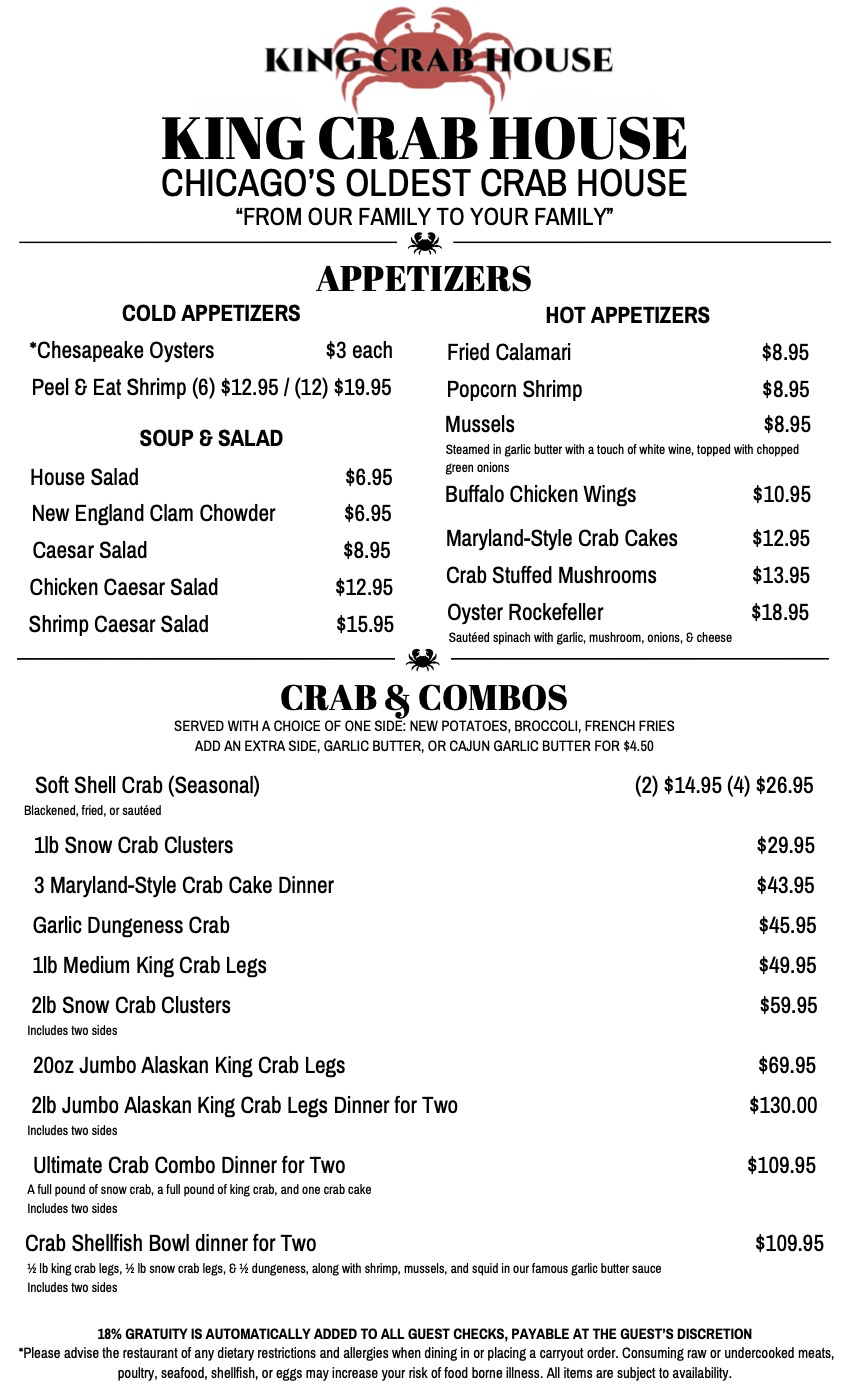
Menus

Table Of Content King Crab House Chicago Seafood reigns at King Crab House Chicago King Crab House Chicago Seafood reigns at King Crab House...